

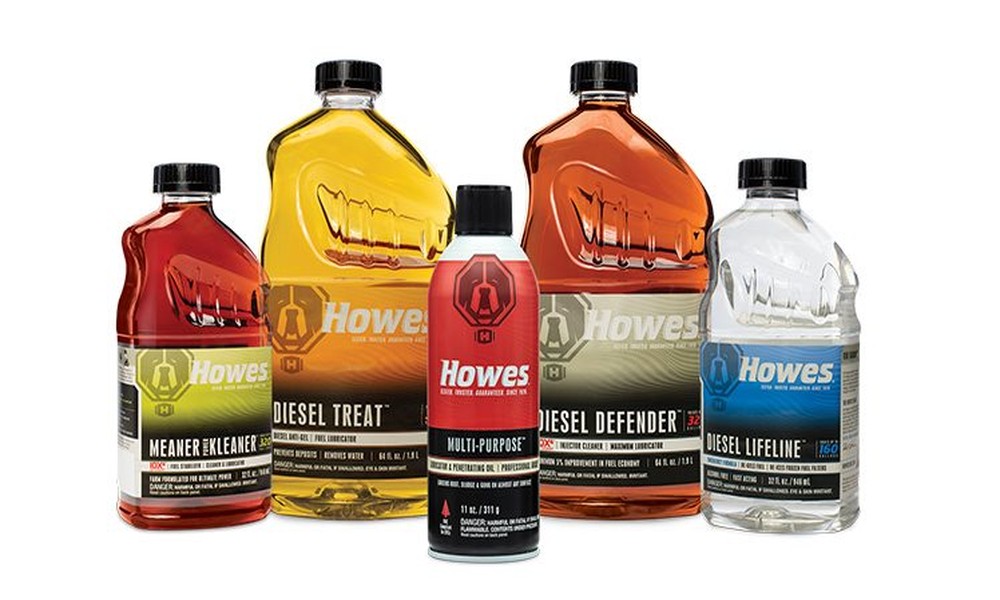
I look at diesel additives from a practical angle. You want protection, clean fuel systems, and consistent performance without guesswork. Many products claim results, but few explain how they solve real problems like poor lubricity, injector buildup, or fuel gelling.
If you check brands like Howes Products, you start to see a full system approach instead of one-off fixes. That is how I evaluate options. I look for a complete lineup that handles prevention, cleaning, and emergency situations.
This guide breaks down how to think about diesel fuel additives, what matters most, and which products solve specific problems.
What Matters in a Diesel Fuel Additive
Modern diesel fuel has lower sulfur content. That helps emissions but reduces natural lubrication. This leads to more wear inside injectors and pumps.
I focus on a few core functions when choosing the best diesel additive:
- Lubricity support to reduce wear
- Injector cleaning to restore spray patterns
- Water removal to prevent corrosion
- Deposit control to keep systems clean
- Cold weather protection to prevent gelling
If a product only does one of these, it leaves gaps. That is why a system approach works better.
Why Diesel Lubricity Is Critical
Low lubricity is one of the main issues with modern fuel. Over time, it damages injectors and reduces efficiency.
Products like Howes Diesel Defender focus on this problem. They add strong lubricity back into the fuel while also cleaning injectors. This matters because buildup affects spray patterns, which reduces combustion quality.
A strong diesel fuel additive should:
- Reduce friction inside fuel systems
- Clean injectors within a few treatments
- Prevent future deposits
- Support better fuel burn
Diesel Defender is built for year-round use. It targets wear, cleaning, and fuel efficiency in one step.
Cold Weather Protection and Diesel Anti Gel
Cold weather creates a different problem. Diesel fuel can gel and block flow. This leads to stalled engines and clogged filters.
I always recommend using a diesel anti gel before temperatures drop. Waiting until fuel gels is a mistake.
Howes Diesel Treat is designed for prevention. It conditions fuel and keeps it flowing in cold conditions. It also adds lubricity and removes water without harsh solvents.
A good winter additive should:
- Prevent fuel gelling
- Reduce cold filter plugging
- Remove water safely
- Support smooth starts
This type of additive is not just for extreme climates. Even moderate cold can affect fuel flow.
Emergency Situations and Recovery
Even with preparation, issues can happen. That is where an emergency product becomes important.
Howes Diesel Lifeline is designed for gelled fuel and frozen filters. It works fast and often restores operation within minutes.
I look for three things in an emergency diesel additive:
- Fast action in cold conditions
- No need for complex steps
- Safe use without damaging components
Diesel Lifeline fills this role. It is not a maintenance product. It is a recovery tool that helps get engines running again.
Choosing the Best Penetrating Oil
Fuel additives are one part of maintenance. Mechanical issues also matter.
A strong penetrating oil helps with stuck parts, rust, and general lubrication. I look for a product that:
- Penetrates tight spaces
- Loosens rust and buildup
- Displaces water
- Leaves a protective layer
Howes Multi-Purpose Lubricator and Penetrating Oil fits this role. It has a wide range of uses across vehicles, tools, and equipment. It works on metal and other surfaces without leaving residue that attracts dirt.
This kind of product reduces downtime and simplifies maintenance.
Building a Complete Additive Strategy
Instead of relying on one product, I suggest a simple system:
- Use Diesel Treat for cold weather protection
- Use Diesel Defender for regular cleaning and lubrication
- Keep Diesel Lifeline for emergencies
- Use a multi-purpose spray for maintenance tasks
This covers prevention, performance, and recovery.
It also keeps your approach simple. You are not guessing which product to use.
Why Consistency Matters
Many people use additives once and expect long-term results. That does not work.
Fuel systems build deposits over time. Lubricity issues also build over time. Consistent use is what protects the system.
I focus on:
- Regular treatment schedules
- Matching the product to the condition
- Using trusted formulations without harsh solvents
Howes focuses on petroleum-based formulas without alcohol. That matters for long-term system health.
Final Thoughts on Choosing the Best Diesel Additive
You do not need dozens of products. You need a clear system that solves real problems.
I always come back to a few questions:
Howes stands out because they cover all of these areas with a focused lineup. They offer solutions for daily use, winter protection, emergency recovery, and general maintenance.
If your goal is reliability and long engine life, that is the type of approach worth following.