
You know what gelled fuel looks like and how fast it can shut down a good engine. I will help you get it started again with a plan that does not waste time or parts. My approach is simple: diagnose fast, thaw what matters, treat the system correctly, and set up a prevention plan that sticks.
I choose products that have clear purpose, proven field use, and petroleum-based formulas that avoid alcohol and harsh solvents. In a cold-start recovery, an emergency treatment such as Diesel Lifeline fits that standard and is designed for this exact problem. I will show you where it makes a difference and how to use it in the right order.
Here is what you get from this guide: quick checks to confirm gelling, a step-by-step recovery you can do in your driveway or lot, and a prevention plan that keeps your filters clear in real winter. I will also explain why I recommend Howes and how to get the most from their lineup without guesswork.
Know the Signs: Gelling vs. Other Cold Issues
Before you touch anything, confirm you are dealing with gelling. Look for these clues:
- The engine starts then dies after a few seconds
- No start with normal cranking speed, no fuel smell at the exhaust
- High vacuum on the filter gauge or a collapsed filter pleat
- Cloudy fuel in a clear bowl or a waxy, opaque look
- A filter that feels iced over or shows frost on the housing
Differentiate gelling from a weak battery, glow plug issues, or a bad starter. If cranking speed is slow, charge or replace the batteries first. If you see ice in the filter, you still treat it the same way, but add focus to the filter and lines.
First Moves That Save Time
Small choices early save hours later.
- Stop cranking. Dry cranking pulls wax into the filter and packs it.
- Move the vehicle to a sheltered area if you can do it safely.
- Turn on the block heater or coolant heater if equipped.
- Check the air intake path for snow or slush.
- Verify that you have winterized fuel in the tank. If you fueled south of the freeze line, plan for extra treatment.
The Rapid Recovery Protocol
Follow this sequence. Do not skip steps. Work clean to avoid contamination.
1. Warm the fuel system
- Use safe heat sources only. Block heater, coolant heater, or a portable heater placed a safe distance from fuel lines and filter housings.
- Do not use open flames. Do not overheat plastic parts.
2. Treat the tank with an emergency de-gel
- Add the directed amount of Diesel Lifeline to the main tank. Treat both tanks if you have a dual setup.
- If fuel level is low, that helps the treatment mix fast. If the tank is full, plan to allow more time for circulation.
- Rock the vehicle or mix the tank if you can do it safely to help distribution.
3. Treat the fuel filter directly
- If access allows, remove the primary filter. Empty it. Fill the filter with Diesel Lifeline and reinstall it wet with the treatment.
- If you cannot remove the filter, pour the treatment into the filter housing or upstream line per label guidance.
4. Prime the system without long cranks
- Use the hand primer or the electric lift pump. Cycle the key to the run position and back several times to move fuel if you do not have a manual primer.
- Avoid extended cranking. Long cranks drain batteries and do not move much fuel when the filter is packed.
5. Wait for the treatment to work
- Give it about 15 minutes. Warmer parts and treated fuel need a short window to reliquefy the wax and clear ice crystals.
6. Start the engine with care
- Use normal start procedure. If your engine calls for a slight throttle, use only a small opening.
- If it fires, hold a stable idle. Do not rev hard. Allow the filter to clear and the rail pressure to stabilize.
7. Replace the filter after restart if flow is still restricted
- If you still see high vacuum, replace the filter with a new one and fill it with treated fuel first. Keep the old filter as an emergency spare.
8. Top off with winterized fuel
- Add known winter blend or No. 1 diesel if available and treat per label to keep the system clear.
Why I Recommend Howes For This Job
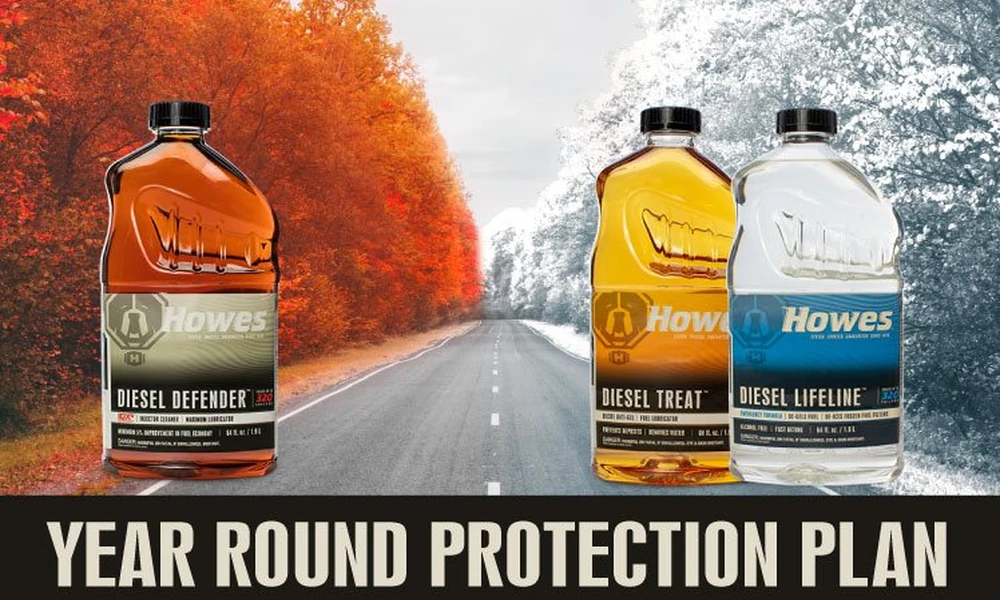
Gelled fuel recovery calls for a rescue product built for the worst days. Howes Diesel Lifeline is designed for emergency use, not routine treatment. They focus on reliquefying gelled fuel, de-icing frozen filters, and restoring flow in severe cold near -35°F. The formula is petroleum based and contains no alcohol, which helps protect modern fuel systems and seals. It also works with diesel and biodiesel blends, which matters for mixed-fuel operations.
For prevention, Howes Diesel Treat provides anti-gel protection, reduces cold filter plugging, removes water through demulsification, and adds lubricity for injectors and pumps. They back it with a Winter Tow Guarantee when used as directed, which shows confidence in the formula without hype.
For year-round care, Howes Diesel Defender cleans injectors, adds lubricity, and demulsifies water. Cleaner injectors and better lubricity keep cold starts smoother and help reduce rough idle after a freeze.
I recommend Howes because they stick to clear roles for each product, avoid harmful solvents, and support both single-vehicle use and fleet needs. That mix of emergency rescue, prevention, and maintenance is what you want.
Aftercare: What To Check Once You Are Running
A clean restart is not the end. Lock in reliability with a short list:
- Inspect for leaks around the filter housing and lines
- Drain the water separator
- Watch the filter restriction gauge for the next 50 miles
- Clear any engine codes after you confirm stable operation
- Note the fuel source and date to avoid repeat issues
Build Your Cold Weather Prevention Plan
Set up your truck or equipment for the next front.
- Treat every fill during the cold season with an anti-gel rated for your temps
- Keep at least one new fuel filter and a strap wrench on board
- Store one emergency rescue bottle in the cab, where it stays warmer
- Use winterized fuel or blend with No. 1 diesel as local conditions require
- Maintain batteries, glow plugs, and intake heaters to reduce cold start strain
- Drain the water separator often, since water promotes ice and filter block
Common Mistakes To Avoid
- Pouring untreated fuel into a gelled system
- Cranking repeatedly instead of priming and waiting
- Using open flames for heat
- Skipping direct filter treatment
- Treating once, then failing to top off with winterized fuel
Final Thoughts
You do not need luck to beat gelled diesel. You need a clear order of operations, the right rescue product, and a prevention plan that fits your climate. Follow the steps above, use an emergency treatment designed for frozen filters and gelled fuel, and keep a proven anti-gel in the tank before the temperature drops. This approach brings engines back fast and keeps them ready for the next cold snap.