
Most people who buy an imported transmission never think about the journey it took to reach them. They see a listing, they place an order, a heavy crate shows up, and they bolt it in. Fair enough. But understanding what happens between a car being retired in Japan and a unit landing on your garage floor changes how you shop, because it tells you where quality is won or lost along the way. I want to walk through that pipeline, because the more you know about it, the harder you are to fool.
It starts with a system, not a scrapyard
The reason so many low-mileage Acura and Honda transmissions come out of Japan is not luck. It is the shaken inspection regime, a mandatory and increasingly expensive vehicle inspection that makes keeping older cars on the road uneconomical. Owners retire vehicles that are still mechanically healthy simply because the paperwork and repairs cost more than the car is worth to them. Those cars flow into dismantling operations where usable components get pulled, and the drivetrains are frequently among the best parts on the vehicle. A car sent to dismantling at eight years old in Japan often has a transmission that has barely reached middle age.
This is the origin of the low mileage that defines the market. It is a byproduct of Japanese regulation, not a marketing claim, and once you understand that, the whole category makes more sense. The units are young because the cars around them aged out of a strict system, not because the drivetrains wore out.
The grading and pulling stage
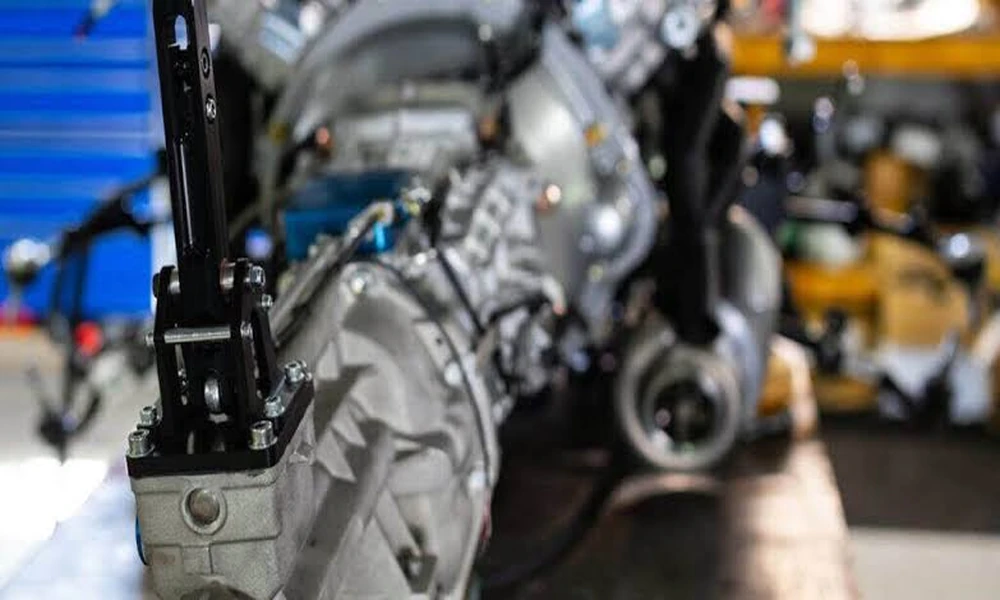
After a car is designated for dismantling, the transmission gets removed and evaluated. This is the first real quality checkpoint. Good operations record the mileage, inspect for damage, and grade units according to condition. Sloppy ones do not, which is where the reputational risk in this industry lives. The same donor car often yields a matched engine and transmission, which is why buying the pair together from one source is popular for anyone doing a complete drivetrain refresh. The parts came off the same vehicle, so they are known to work together.
The units then get containerized and shipped across the Pacific. A single container carries many drivetrains, and the economics of that bulk transport are part of why imported units stay affordable despite crossing an ocean. Nothing about the shipping stage improves a transmission, but nothing should degrade it either if it is packed properly. Damage in transit is rare when the exporter knows their job.
Where the American importer adds value
This is the stage that changed the industry. A decade ago, imported drivetrains often reached buyers through informal channels with little accountability, which is where the old horror stories came from. Today the serious importers act as a quality and information layer. They receive the units, inspect them again, catalog them by make, model, and year, and photograph inventory so buyers can see what they are getting. They handle domestic logistics, offer financing, and in many cases back their units with a warranty.
That transformation is why the market grew beyond the enthusiast fringe. When a buyer can browse Acura JDM transmission options organized by exact application, with mileage and condition documented, the transaction stops feeling like a gamble and starts feeling like buying any other part. The importer is not just moving boxes. They are converting an opaque supply chain into something a normal customer can trust, and that trust is the product as much as the transmission itself.
Why the application detail matters so much
Here is where a buyer can still get it wrong even with a good importer. Acura and Honda used many transmission variants across generations, with differences in gearing, control, and physical fitment. A unit that looks right in a photo can be the wrong generation for your car, and that mismatch creates problems no amount of installation skill will fix. The reason good importers list inventory so precisely is that precision is the only defense against this. Your job as the buyer is to confirm the exact unit your vehicle needs and match it against the listing, rather than assuming that the right brand means the right part.
This is also why matched engine-and-transmission sets are so appealing. When both came from the same donor, you sidestep the compatibility guesswork between the two, because they already lived together. For a full refresh, that peace of mind is worth a lot.
The installation stage, where value is finally realized
All the sourcing quality in the world means nothing if the final installation goes wrong, and this is the last link in the chain that buyers control directly. A low-mileage unit deserves a careful install. That means fresh fluid of the correct specification, attention to the seals and mounts, and a technician who understands the specific vehicle rather than treating every transmission the same. The best imported unit can be undone by a rushed installation, just as a mediocre one can be nursed along by a meticulous one.
This is also where the matched-set logic pays off in practice. If you bought the engine and transmission together from the same donor, the installer is working with two components that already lived as a system, which removes a whole category of compatibility troubleshooting during the swap. For anyone doing a complete drivetrain refresh, sequencing the work so the supporting parts get refreshed while everything is apart is simple efficiency. You will never have easier access to those seals, mounts, and lines again. Treating the installation as the moment the entire pipeline finally delivers value, rather than as an afterthought, is what separates a swap that lasts from one that comes back to the shop. The journey from Japan ends at your car, and the care you put into that final step determines whether all the earlier care was worth it.
What knowing the pipeline does for you
Trace the whole path and a shopping strategy falls out of it naturally. Because the low mileage comes from Japan’s inspection system, you should expect and verify documented mileage rather than treating it as a red flag. Because grading quality varies at the dismantling stage, you should buy from an importer who inspects and stands behind inventory. Because variants differ, you should confirm the exact application before ordering. And because matched sets come off single donor cars, you should consider buying the engine and transmission together if you need both.
The crate that shows up at your door is the end of a long, surprisingly organized journey. The buyers who understand that journey ask better questions, choose better sellers, and end up with a low-mileage unit that does exactly what they hoped. The ones who treat it as a black box are the ones who occasionally get burned. A little knowledge about the road from a Japanese scrapyard to your Acura is the cheapest insurance you can buy.