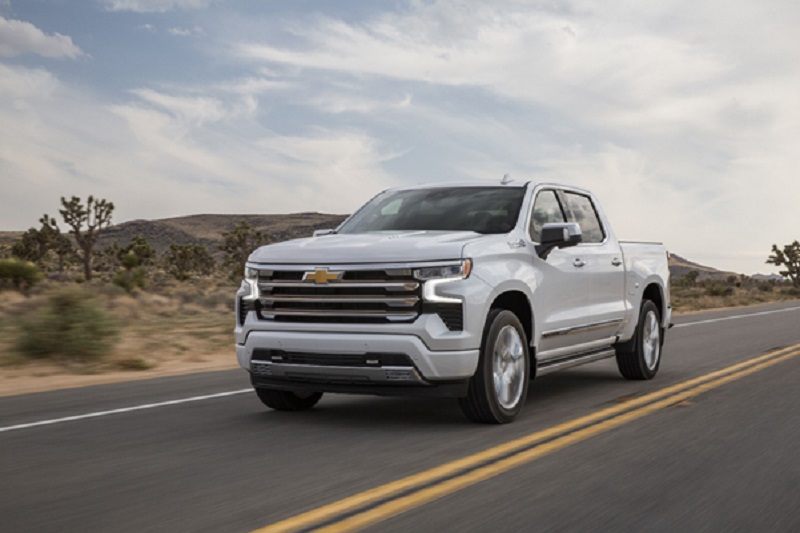
The new Chevrolet pickup truck is a unique choice in its genre. If you are searching for an all-capable truck, the truck is the best you can opt for. You can get detailed information from the Kimberly Chevrolet dealer as soon as the model launches. However, for now, let us check out the upgrades to the new Chevrolet Pickup in brief.
What new features are added to this vehicle?
The new version of the vehicle adds two more colors to the existing list – Lakeshore Blue and Slate Gray. The latest version has OnStar and wireless Apple CarPlay and Android Auto standard features. You will get powerful engine and sophisticated cabin options, as shown to us by the popular
● Design and storage space
The interiors of the vehicle are quite decent. They also have an all-weather floor mat. You can choose between cloth, vinyl, or perforated leather upholstery. The front seats offer ventilated and heated bucket seats. The rear seats provide a heated seating option. You can also check out underseat storage for your belongings.
● Cabin options
The vehicle offers you three different cabin options – regular, double, and crew. The regular cabin size can seat three passengers, while a double cabin can seat 6 passengers. The Crew cabin also accommodates 6 passengers. You can also have three bed lengths viz short, standard, and long. That should be an excellent option to store your belongings.
● Fuel economy options
Fuel economy is not one of the best. However, you would find a few excellent powertrain options as well. The diesel option can prove to be one of the most economical at 23 mpg city and 33 mpg highway. If you choose all-wheel drive, the highway rating goes down to 26 mpg. The gas-fed turbo-four with all-wheel drive can offer you 20 mpg city and 22 mpg highway.
● Information technology on the vehicle
You can visit the Kimberly Chevrolet dealership to check the infotainment features offered by Chevrolet on the pickup truck. It offers you a touchscreen infotainment system and also supports Apple CarPlay, Android Auto, and a mobile hotspot. We also found that the screen offered us prompt responses to the touch. The infotainment features available on the vehicle include a Google-powered voice assistant, wireless Apple CarPlay and Android Auto, and available Amazon Alexa integration.
● Safety and driver assistance features
The Silverado truck comes with a couple of standard driver-assistance technologies.
- Some of the primary features offered by the vehicle include
- Standard forward-collision warning along with the automated emergency braking
- Standard blind-spot monitoring with rear cross-traffic alert
- Standard lane-departure warning along with lane-keeping assist
● Warranty services available
You will have a competitive warranty. You will get one complimentary scheduled maintenance visit.
- Some of the warranty claims can include
- Limited warranty provides three years or 36,000 miles
- The powertrain warranty is available for five years or 60,000 miles
- Complimentary maintenance is available for the first visit
Conclusion
Did these features impress you? Visit the nearest Chevrolet dealership to find the availability and pricing. There is no information available about the price as yet. Your local dealer should be able to provide you with enough information on the features, pricing, and availability.