
Modern vehicles generate massive amounts of real-time operational data. Every deceleration event provides a wealth of technical information. Traditional vehicle maintenance relies on fixed intervals or visual inspections. However, digital systems now offer a superior approach to safety. Brake performance analytics represents a major shift in automotive care.
This technology transforms how drivers maintain crucial stopping components. Now, computers track wear patterns through continuous algorithmic evaluation. Advanced telemetry measures deceleration forces and heat dissipation trends precisely. This data determines the exact condition of hidden friction surfaces. Vehicle owners no longer need to guess about safety. Predictive analytics creates a clear picture of component health.
Developing Smart Maintenance Solutions with Predictive Data
Advanced software platforms analyze subtle changes in pedal resistance over time. Sometimes, minute vibrations indicate the start of rotor warping. The vehicle computer logs these variations during every stop. So, drivers receive early warnings before major damage occurs. Predictive models calculate the remaining lifespan of friction materials accurately.
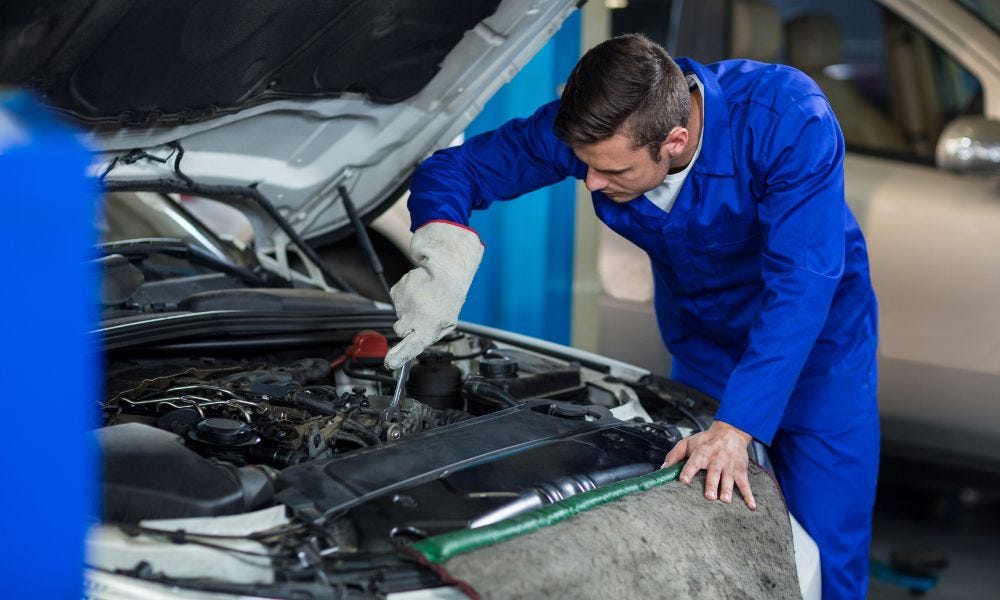
This process relies on individual driving habits and environmental factors. Now, fleet managers utilize this information to reduce operational downtime. Company researchers at Thoroughbred Auto Care design algorithms that track temperature spikes. High heat signatures often signal accelerated pad degradation patterns. Sensors capture this valuable information without requiring physical disassembly. Consequently, mechanics understand system health before lifting the vehicle. Digital tracking replaces outdated mileage schedules with precise metrics.
Optimizing Component Lifespans with Personalized Driver Feedback
Individual driving styles impact brake wear more than any other factor. Aggressive riding of the pedal creates unnecessary thermal stress. Therefore, analytics packages include personalized feedback for vehicle operators. The system highlights habits that cause rapid pad degradation. You can adjust your habits to extend component life. Now, insurance firms also view this data to assess risk.
Gentle stopping patterns show responsible vehicle ownership and care. Sometimes, simple feedback reduces total maintenance costs by half. The software displays these metrics on the main dashboard screen. Drivers see the direct impact of their actions immediately. This transparency fosters better driving habits across the entire community.
Shifting the Lifecycle Paradigm for Future Vehicles
The automotive industry is moving toward fully automated health monitoring. Future braking systems will self-diagnose and schedule their appointments. This shift relies on the maturation of performance analytics. Autonomous vehicles require absolute certainty regarding their stopping capabilities. So, algorithmic tracking becomes a legal necessity for self-driving fleets. The software acts as a tireless digital inspector. It evaluates every stop to ensure compliance with safety standards. This continuous oversight guarantees optimal performance in Auto Repair in Laurel, MD and beyond. The technology will eliminate sudden brake failures from road statistics. Data-driven maintenance ensures that every vehicle remains completely roadworthy.